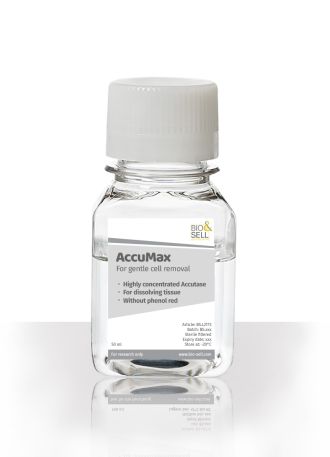
Cell Detachment Solutions for Gentle Cell Detachment
When culturing adherent cells, reliable cell detachment from the culture vessel is a crucial step in passaging and preparing cells for further applications. The right cell detachment solution helps detach cells from the culture vessel and prepare them for subsequent processing. Which solution is suitable depends, among other factors, on the cell type, the culture method, and the requirements of the specific experiment.
Bio&SELL offers various cell detachment solutions for different needs in cell culture. These include gentle cell detachment solutions such as:
As well as traditional cell detachment solutions such as trypsin and trypsin/EDTA solutions. Find the right method for your cell line with us. When using these solutions, follow the product instructions and established protocols for your cells.
FAQs
What does cell detachment mean?
Cell detachment refers to the removal of cells from a culture vessel (cell culture flasks or cell culture plates) as part of the cell passage process or in preparation for further downstream analysis.
What is the difference between enzymatic and non-enzymatic cell detachment?
Enzymatic methods use proteolytic enzymes to break down the proteins responsible for cell adhesion. Non-enzymatic methods often use chelating agents (such as EDTA) or special buffer solutions to weaken cell adhesion without proteolytic protein degradation. However, the appropriate method depends on the specific cell line.
What are the advantages of enzymatic cell detachment?
Enzymatic cell detachment has proven to be an efficient method for quickly and reliably detaching adherent cells from cell culture surfaces. The advantages include a high cell yield and effective cell dissociation. Enzymatic cell detachment is suitable for numerous cell types and integrates well into automated cell culture processes.
Can cell detachment affect the results of subsequent experiments?
Yes. The cell detachment method can affect, among other things, cell morphology, the expression of surface proteins, cellular signaling pathways, and cell viability. Therefore, the method should be tailored to the specific cell type and the planned analysis and validated accordingly.